

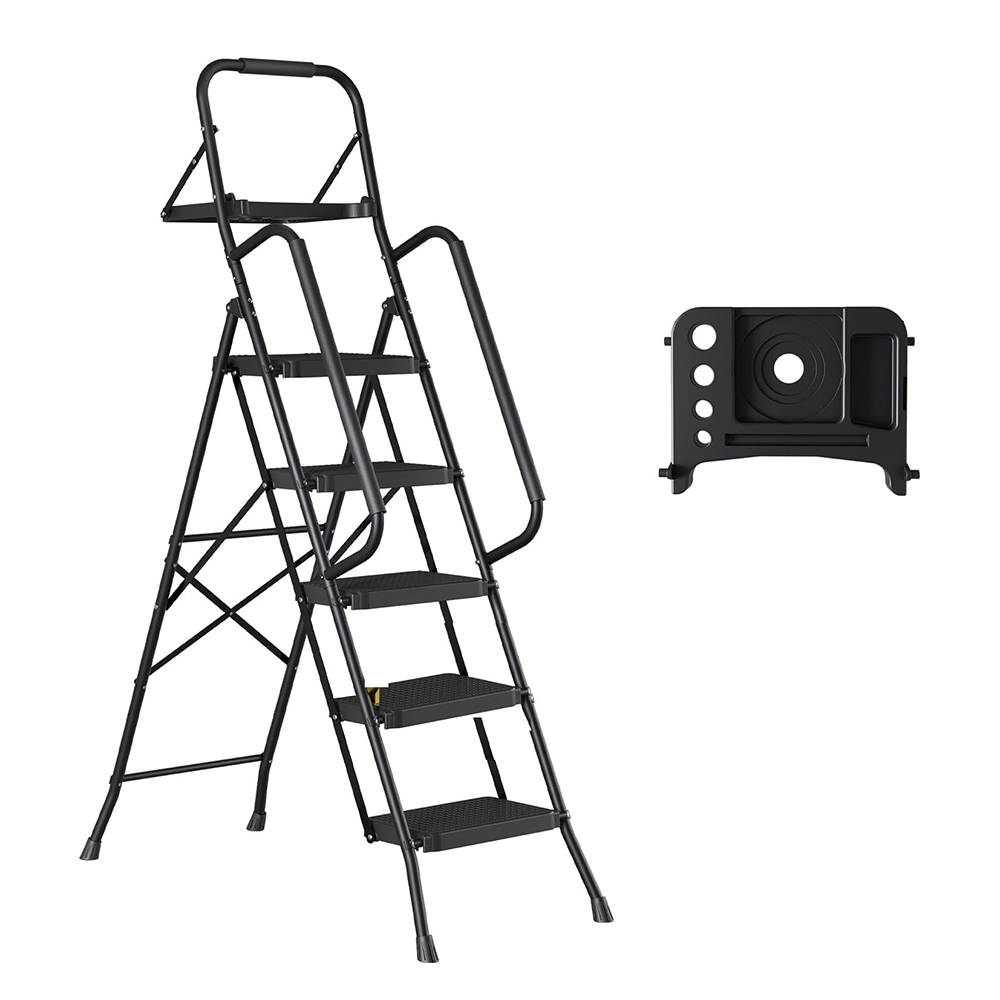
Best Household Folding Ladders for Multi‑Use and Versatility
A folding ladder is one of the most useful tools you can own at home. From changing light bulbs and cleaning gutters to painting walls and reaching high shelves, a versatile ladder makes all of these jobs safer, easier, and faster. Choosing the right one is less about chasing a specific brand and more about understanding ladder types, materials, safety features, and how they fit your daily needs.
Below is a detailed guide to help you choose the best household folding ladders for multi‑use and versatility—without focusing on brand names.
---
1. Key Types of Folding Ladders for Home Use
Different folding ladders are designed for different tasks. Knowing the main types helps you narrow your choice quickly.
1.1 Step Ladders (A‑Frame Ladders)
These are the most common household ladders. They open into an “A” shape and stand on their own, so they don’t need to lean against a wall.
Best for:
- Indoor tasks like changing bulbs, hanging curtains, painting, cleaning cabinets
- Kitchen and closet access
- Short to medium-height jobs
Why they’re versatile:
- Self-supporting; no need for a wall or support structure
- Wide steps that are comfortable to stand on
- Often include a top cap or tray for holding tools and small items
What to look for:
- Steps with deep treads and anti-slip surface
- Wide flared base for stability
- A locking spreader bar that feels solid when open
---
1.2 Multi‑Position / Articulated Ladders
These ladders have locking hinges that allow them to transform into multiple shapes: step ladder, extension ladder, scaffold base, and more.
Best for:
- Homeowners who want one ladder that can handle many tasks
- Frequent DIYers and renovators
- Indoor and outdoor work at various heights
Why they’re versatile:
- Can function as:
- A‑frame ladder
- Straight extension ladder
- Staircase ladder (one side shorter than the other)
- Low scaffold base (with planks)
- Folds compactly for storage
What to look for:
- Simple, secure hinge locks that “click” clearly into place
- Clear locking indicators (visual or tactile)
- Stable feel in each configuration
---
1.3 Telescoping Ladders
Telescoping ladders extend and retract section by section, similar to a telescope. When collapsed, they are very compact and easy to store.
Best for:
- Small apartments or homes with limited storage
- People who need a ladder that fits in a car trunk
- Occasional use at medium heights
Why they’re versatile:
- Height can be adjusted one rung at a time
- Extremely compact when folded
- Lightweight, generally made of aluminum or similar materials
What to look for:
- Smooth extension and retraction mechanism
- Locking indicators for each rung
- Controlled, slow retraction to avoid hand injuries
---
1.4 Combination Step/Extension Ladders
These start as an A‑frame ladder but can be converted into a straight extension ladder. They bridge the gap between a simple step ladder and a tall extension ladder.
Best for:
- Homes with both indoor and outdoor tasks
- Users who sometimes need extra height (e.g., gutters, eaves)
Why they’re versatile:
- Self-supporting as a step ladder
- Can be leaned against a wall in extension mode
- Often allow use on uneven surfaces (stairs, slopes) with adjustable legs
What to look for:
- Sturdy locking mechanism when extending
- Non‑marring feet for indoor floors
- Easy conversion between modes without tools
---
1.5 Platform Step Ladders
These look like step ladders but feature a large, flat standing platform near the top, often with a guard rail or wrap‑around handle.
Best for:
- Tasks that require standing for a longer time (painting, repairs, installations)
- Users seeking extra security and comfort
- Seniors or anyone nervous about heights
Why they’re versatile:
- Comfortable standing surface
- Feels more like a small “work platform” than a ladder
- Often fold very flat for easy storage behind a door or in a closet
What to look for:
- Large, stable platform with non‑slip surface
- High handle or guard rail to hold onto
- One‑hand folding mechanism if possible
---
2. Ladder Materials: Which Is Best for Home Use?
The main materials for folding ladders are aluminum, steel, and fiberglass. Each has trade‑offs.
2.1 Aluminum Ladders
Pros:
- Lightweight and easy to carry
- Rust‑resistant
- Good for frequent moving between rooms or floors
Cons:
- Conducts electricity (not ideal near live wiring)
- Can dent or bend if abused
Best for:
- General household use
- Indoor and light outdoor jobs
- Users who value light weight over maximum toughness
---
2.2 Steel Ladders
Pros:
- Very strong and rigid
- Often less expensive than fiberglass
- Good load capacity
Cons:
- Heavier than aluminum
- Can corrode if protective coating is damaged and ladder is stored outdoors
Best for:
- Occasional heavy‑duty tasks where stability matters more than weight
- Garages, workshops, and basements
---
2.3 Fiberglass Ladders
Pros:
- Non‑conductive when clean and dry (safer around electrical work)
- Strong and stable, less flex than aluminum
- Resistant to weather and many chemicals
Cons:
- Heavier than aluminum
- Usually more expensive
Best for:
- Working near electrical fixtures, wiring, or power tools
- Outdoor tasks where durability matters
- Users prioritizing safety over lightweight design
---
3. Safety and Rating Considerations
Safety ratings and design details are more important than any marketing claim. Always choose a ladder that exceeds your typical needs.
3.1 Duty Ratings and Load Capacity
Most home ladders are labeled with a duty rating that indicates maximum load, including your body weight, clothing, tools, and materials. Common categories:
- Light‑duty household use: Often up to about 200–225 pounds
- Medium‑duty: Often around 225–250 pounds
- Heavy‑duty: Often around 250–300 pounds or more
For multi‑use versatility and long life:
- Choose medium or heavy‑duty even for home use.
- Consider your weight plus any tools or materials you might carry (paint cans, tools, etc.).
- Err on the side of a higher rating for stability and durability.
---
3.2 Essential Safety Features
Look for these safety elements on any versatile folding ladder:
- Non‑slip feet
Rubber or similar material with textured contact surface. They should grip both hard floors and outdoor surfaces.
- Textured treads or steps
Grooves or patterns that reduce slipping, especially if shoes are dusty or slightly wet.
- Wide flared base
A wider base increases sideways stability, especially important for multi‑position and telescoping ladders.
- Secure locking mechanisms
Hinges and locks that:
- Engage positively with an audible click
- Have visual indicators showing locked/unlocked
- Require deliberate action to change configuration
- Top handhold or rail
On step and platform ladders, a tall handle or rail provides something to grip, improving confidence and balance.
- Clear safety labels
Visible markings showing:
- Maximum load
- Correct positioning
- Angle guide for straight ladders
---
4. Matching Ladder Height to Real‑World Tasks
Many people buy ladders either too short (frustrating) or too tall (heavy, unwieldy). Think in terms of working height, not just ladder length.
4.1 Indoor Heights
Typical indoor ceiling height: about 8–10 feet.
- 2‑step or 3‑step ladder
Great for:
- Kitchen cabinets
- Closets
- Simple bulb changes in standard rooms
- 4‑ to 6‑foot step ladder
Good all‑around choice for:
- Reaching 8–10 foot ceilings
- Painting walls and ceilings
- Installing light fixtures or smoke detectors
For most homes, a 4‑ to 6‑foot step ladder plus a small 2‑ or 3‑step stool covers most indoor needs.
---
4.2 Outdoor Heights
Outdoor tasks often involve eaves, gutters, and tree branches.
- 8‑ to 12‑foot step ladder
For:
- Single‑story rooflines
- Cleaning gutters
- Washing upper windows
- Extension or multi‑position ladder that extends higher
For:
- Two‑story homes
- Higher gutters or roof access
For leaning/extension use, a simple rule:
- The ladder should extend at least 3 feet above the roof edge or work surface when used for access.
- Maintain a safe climbing angle (about 1 foot out from the wall for every 4 feet of ladder height).
---
5. Features That Improve Versatility
Some ladder details move a design from “usable” to genuinely versatile for multi‑use households.
5.1 Tool Trays and Caddies
- Top caps with slots or holes for screwdrivers, drills, hammers
- Recesses or hooks for paint cans and buckets
- Magnetic panels for holding screws or nails
These greatly reduce trips up and down the ladder and keep your hands free.
---
5.2 Adjustable Legs and Levelling Features
For outdoor use and stairs, adjustable legs can be a game‑changer:
- Independently adjustable legs for uneven ground
- Built‑in leveling feet that can extend on one side
- Special “stair mode” settings on multi‑position ladders
These allow you to create a level, stable platform even on stairs or slopes—vital for safety and practicality.
---
5.3 Compact Fold and Storage Options
In small homes, storage is part of versatility.
- Ultra‑slim fold (platform and step ladders that become “flat”)
- Telescoping designs that collapse to a short length
- Wall‑mount brackets to hang the ladder off the floor
- Integrated carry handles
Think about where you will store the ladder: behind a door, in a closet, under a bed, in a garage, or on a balcony.
---
5.4 Ease of Transport
If you expect to move your ladder frequently:
- Choose aluminum for easier carrying.
- Look for built‑in wheels on larger step and multi‑position ladders.
- Check grip comfort on rails when carrying.
A ladder that is light enough to move without effort is more likely to be used and less likely to be dragged or dropped.
---
6. Recommended Configurations for Common Households
Instead of naming models, here are configurations that work well in typical situations.
6.1 Small Apartment or Condo
Limited storage and mostly indoor tasks.
Ideal setup:
- One compact 2‑ or 3‑step folding platform ladder
- Slim profile for closet storage
- High handrail for stability
- Enough height for kitchen, closets, and ceiling fixtures
Optional:
- Compact telescoping ladder (if you sometimes need to reach lofts, high shelves, or carry the ladder in a car)
---
6.2 Standard House (Single‑Story)
You’ll have both indoor tasks and outdoor chores like gutters and tree trimming.
Ideal setup:
1. 4‑ to 6‑foot aluminum or fiberglass step ladder
- Your main indoor ladder
- Light enough to move easily
2. Multi‑position ladder (minimum 12–16 feet in extension mode)
- For gutters, roof edges, high outdoor cleaning
- For staircases and awkward spots
This combination covers nearly every household job without taking excessive space.
---
6.3 Two‑Story House or Taller Structures
You’ll need more reach for higher gutters, eaves, and windows.
Ideal setup:
1. 5‑ or 6‑foot platform step ladder
- For extended indoor work and painting
- Comfortable and secure for long tasks
2. Multi‑position heavy‑duty ladder (up to 18–22 feet in extension mode)
- Use as extension ladder for second‑story work
- Use as scaffold base with planks for exterior painting
If weight is a concern, choose a lighter-duty long ladder and be extra careful with positioning and safety.
---
6.4 DIY Enthusiast or Regular Renovator
Frequent, varied use indoors and outdoors.
Ideal setup:
1. Platform step ladder (4–6 feet)
- Comfortable for long work sessions
- Holds tools and materials
2. Articulated multi‑position ladder
- With scaffold capability
- With stair‑compatible configuration
- With adjustable feet or separate levelers if possible
3. Optional small step stool
- For quick jobs that don’t warrant unfolding a larger ladder
This setup maximizes versatility while reducing the number of separate tools.
---
7. Practical Safety Tips for Everyday Use
Own the right ladder, but also use it correctly.
- Inspect before each use
- Check for cracks, bent rails, loose rivets, damaged feet
- Test that hinges and locks work smoothly and fully engage
- Set it up correctly
- Fully open step ladders until spreaders lock
- On extension/multi‑position ladders used straight, keep the correct angle: about 75 degrees (or use the “4 to 1” rule).
- Never stand on the top step/cap unless it’s a designated platform
- Use a taller ladder if you must reach higher
- Keep three points of contact
- Two feet and one hand on the ladder when climbing
- Don’t overreach
- Move the ladder instead of leaning out sideways
- Use appropriate footwear
- Closed‑toe shoes with good traction
- Be cautious around electricity
- Avoid metal ladders near exposed wiring or power lines
- Use fiberglass if electrical work is expected
---
8. How to Evaluate “Best” Without Brand Names
Without relying on specific companies, judge a ladder’s quality and suitability by:
1. Construction Quality
- Even, solid welds or rivets
- No sharp edges or poorly finished joints
- Rail thickness that feels sturdy, not flimsy
2. Stability Test in Store (if possible)
- Open and climb a few steps
- Gently shift weight side to side
- Confirm it doesn’t feel wobbly or twist easily
3. Ergonomics
- Comfort of the steps underfoot
- Height and feel of the handgrip or rails
- Ease of carrying and folding
4. Precision of Mechanisms
- Hinges lock positively without excessive force
- Telescoping sections slide smoothly and lock securely
- No grinding, sticking, or misalignment
5. Clear Documentation
- Easy‑to‑read labels and diagrams
- Clear usage, maintenance, and safety instructions
If buying online, pay attention to:
- Detailed product photos
- Load rating and height specifications
- User reviews focusing on stability and longevity
---
9. Care, Maintenance, and Storage
A good ladder can last many years if treated well.
- Cleaning
- Wipe off dirt, paint, and chemicals regularly
- Keep locking mechanisms free of debris
- Storage
- Store in a dry place away from harsh weather
- Avoid leaning where it might warp; hang or support it along its length
- For fiberglass, limit prolonged direct sunlight to prevent degradation
- Avoid Improvised Modifications
- Do not drill new holes in rails
- Do not tie or bolt improvised attachments that may weaken structure
- Periodic Checks
- Tighten any loose fasteners
- Replace worn non‑slip feet
- If any structural part is cracked or significantly bent, retire the ladder
---
10. Summary: Choosing the Most Versatile Folding Ladder for Your Home
To pick the best household folding ladder for multi‑use and versatility, focus on:
1. Ladder Type
- Step/platform ladders for indoor, everyday use
- Multi‑position or combination ladders for maximum flexibility
- Telescoping ladders for ultra‑compact storage
2. Material
- Aluminum for light weight
- Steel for extra strength on a budget
- Fiberglass for electrical safety and durability
3. Safety and Capacity
- Choose a medium or heavy‑duty rating to cover you plus tools
- Prioritize stable design and secure locks
4. Height Range
- 2–3 steps for quick, low reach
- 4–6 feet for most indoor ceilings
- 12–20 feet reach (via extension) for outdoor work on taller homes
5. Versatility Features
- Tool trays, adjustable legs, slim fold, comfortable handrails
- Multi‑position configurations for stairs, scaffold setups, and extension use
For many households, the most versatile and efficient combination is:
- A 4‑ to 6‑foot platform or step ladder for everyday indoor tasks
- A multi‑position articulated ladder that can act as a step ladder, extension ladder, and scaffold base for outdoor and specialized jobs
By focusing on these functional qualities instead of brand labels, you can choose a folding ladder setup that will safely handle almost any task around your home for years to come.
E-mail: Ceo@cnladder.com
Website: www.cnladder.com
Adres: Lütan Gangtou Industrial Zone, Wuyi County, JinhuaCity, provincie Zhejiang

Deze website maakt gebruik van cookies om ervoor te zorgen dat u de beste ervaring op onze website krijgt.
 English
 Español
 Portugues
 Pусский
 Français
 Deutsch
 日本語
日本語 العربية
 Italiano



 WhatsApp
 Telefoon
Opmerking
(0)